
Electronics Skills Assessment: 20-Question Technical Quiz
This assessment measures practical electronics knowledge in 20 questions. Topics include semiconductor behavior, signal amplification, power conversion, control systems and fault diagnosis. Choose Learning Mode for immediate feedback and explanations …
Top Embedded Systems Interview Questions and Answers
1. Introduction Embedded systems are at the heart of modern technology, powering automotive ECUs, medical devices, and industrial automation. To succeed in this field, engineers must master Embedded C, hardware …
Resistors in Parallel Calculator
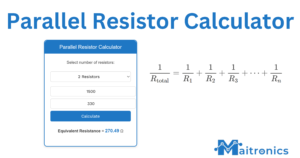
Resistors in Parallel Calculator Resistors in Parallel Calculator is a useful tool in electronics to quickly determine the total resistance of resistors connected in parallel. In a parallel configuration, the …
Introduction to Embedded Systems
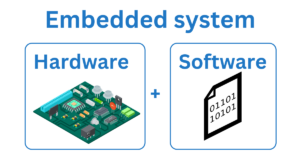
1. Introduction Embedded systems are the unsung heroes of modern technology. They power the devices we use daily, from smartphones and smartwatches to cars and home appliances. But what exactly …
Resistor Types and Characteristics: A Complete Guide to Selection and Applications
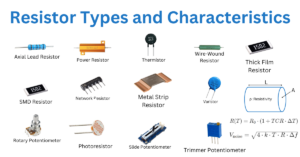
1. Introduction Resistor types and selection criteria are essential for the stability and functionality of modern electronic circuits. Resistors help control current, divide voltage, and protect sensitive components from damage. …
Types of Electronics Components: An Overview for Beginners
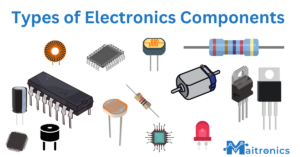
1. Introduction Electronic components are the building blocks of modern technology, forming the basis of all electronic circuits. From simple devices like flashlights to advanced systems like smartphones and computers, …
An Overview of Electronics: Major Branches and Their Applications
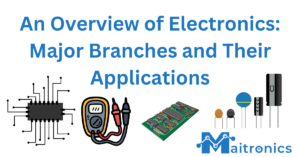
1. Introduction Electronics is a dynamic field of science and engineering focused on controlling and managing the flow of electric current through devices and circuits. It serves as the backbone …
Ohm’s Law Calculator
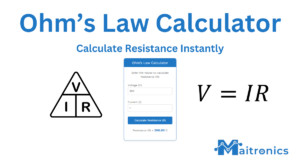
What is Ohm’s Law ? Ohm’s Law is a key principle in electronics. It defines the relationship between voltage (V), current (I), and resistance (R) in an electrical circuit. According …